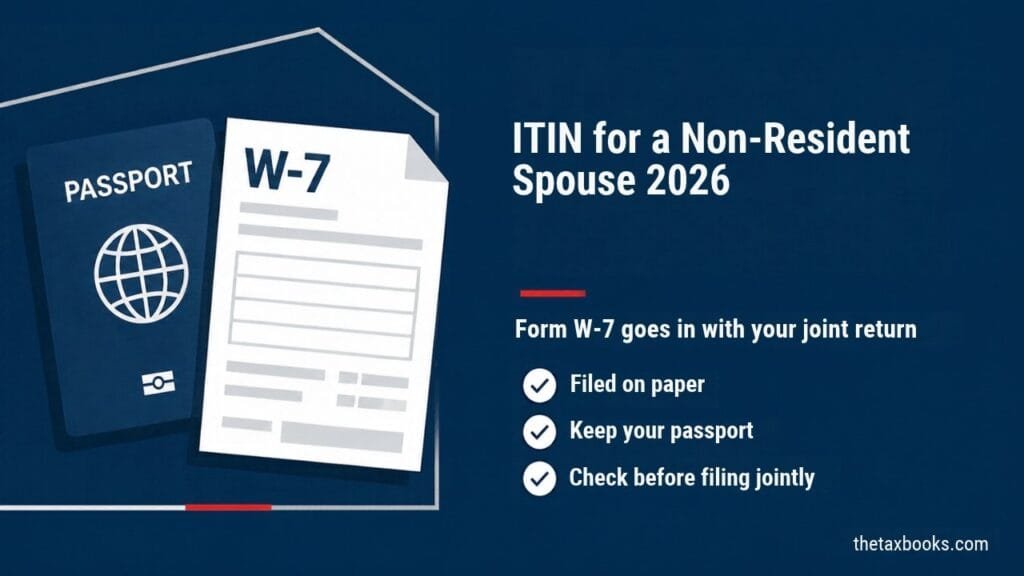
Your non-resident spouse applies for an ITIN on Form W-7, and the form goes in with your joint tax return. For the 2026 tax year, that means filing a paper return in early 2027. The regular deadline is April 15, 2027, so start collecting documents now.
Plan for a wait. The IRS says to allow 7 weeks, or 9 to 11 weeks if you apply between January 15 and April 30 or from overseas. Filing jointly also has a real cost for some families, so make that decision first.
Who needs an ITIN
An ITIN is a nine-digit IRS number for people who need a US taxpayer number but cannot get a Social Security number. A spouse in this position usually falls into one of these groups:
- Your spouse lives in India and has never lived in the US.
- Your spouse lives with you in the US on a dependent visa, such as H-4, without work authorization.
Your spouse should not use Form W-7 if they have an SSN or are eligible for one. A spouse with US work authorization should apply for an SSN instead.
The IRS will not issue an ITIN just because you are married. Your spouse must be on a joint return with you, or must file their own US return.
If your spouse lives with you on an H-4 visa, check the substantial presence test first. A spouse who meets it may already be a US resident for tax purposes. You can then file jointly without the election described below. Your spouse still needs an ITIN if they cannot get an SSN.
Decide first: joint or separate
A joint return can bring a lower tax bill through a larger standard deduction and joint tax brackets. For the 2026 tax year, the standard deduction is $32,200 for a joint return and $16,100 for married filing separately.
If your spouse is a non-resident, you get joint filing by making an election to treat them as a US resident. The election has lasting effects:
- Worldwide income. Both of you report your entire worldwide income, for this year and later years, until the election ends or is suspended.
- Treaty limits. Neither of you can generally claim treaty benefits as a resident of a foreign country while the election is in effect.
- One chance only. If the election ends, neither of you can make it again in any later year, even if married to someone else.
When joint filing may not suit you
We generally advise against joint filing when your spouse has any of the following:
- High income in India
- Indian mutual funds
- High Indian rental income or capital gains
All of that income would go on your US return. A foreign tax credit may offset some of the US tax, but it does not remove the reporting, and you should compare both options before you elect.
What you file
| Item | What it is | Notes |
|---|---|---|
| Form W-7 | The ITIN application | Check reason box e, spouse of a US citizen or resident alien. Enter your full name and SSN or ITIN. |
| Form 1040 | Your original joint return for 2026 | Attach Form W-7 to the front. Leave your spouse’s SSN area blank. |
| Election statement | A statement signed by both spouses | Attach it to the first joint return. It gives the required declaration and each spouse’s name, address and identification number. |
| Passport | Proof of identity and foreign status | A valid passport is the only document that works alone. It must not be expired when you apply. |
If your spouse has never been to the US, enter “Never entered the United States” as the date of entry on line 6d.
Keeping the passport in India
We do not advise mailing an original Indian passport to the IRS. Mailed originals can take up to 60 days to come back, and your spouse may need the passport during that time.
The IRS accepts the original passport or a copy certified by the agency that issued it. Ordinary notarized copies do not meet this rule for most spouses.
The practical route is a Certifying Acceptance Agent, or CAA. The IRS authorizes these agents in the US and abroad. A CAA can review the passport, return it after checking it, and submit the application package.
Your timeline for the 2026 tax year
- Now. Decide whether joint filing suits you. Check that the passport will still be valid when you apply.
- December 2026. Find a CAA and ask what they need from your spouse. Gather records of your spouse’s 2026 income.
- Early 2027. Prepare the joint Form 1040, the election statement and Form W-7. Applying before January 15 is not practical for most people, since it depends on your 2026 return being ready. Applications from January 15 to April 30 fall in the IRS’s busier period.
- By April 15, 2027. Submit the full package on paper through your CAA, or by mail to the IRS ITIN Operation in Austin, Texas. Do not use the regular return address in the Form 1040 instructions.
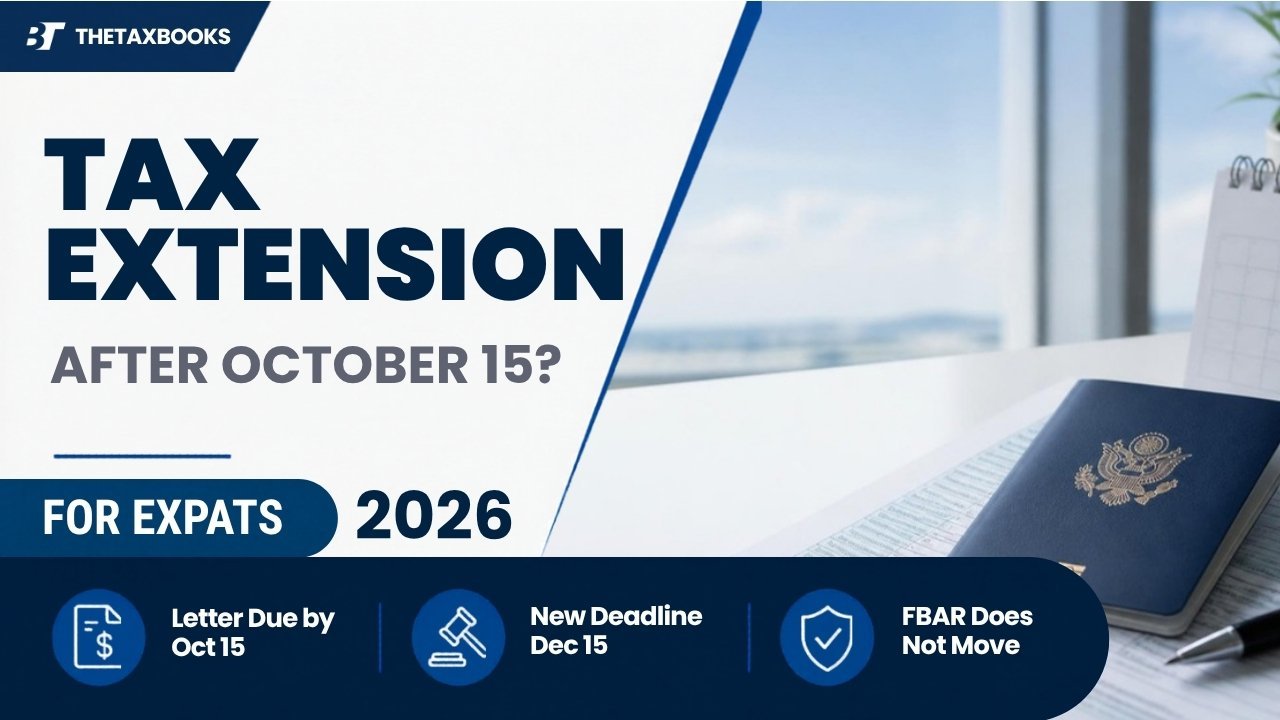
- If you need more time. File Form 4868 by April 15, 2027, and write “ITIN TO BE REQUESTED” where the form asks for your spouse’s number. Do not send Form W-7 with it. Form 4868 extends the time to file, not the time to pay. The extended deadline is October 15, 2027.
- After you apply. The IRS sends Notice CP565 when it assigns the ITIN, CP566 if it needs more information, and CP567 if it rejects the application.
You cannot e-file a return using an ITIN in the calendar year the ITIN is assigned. E-filing becomes available the following year.
What the election means for Indian accounts and investments
Once your spouse is treated as a US resident, their Indian assets can bring new reporting.
- Form 8938. A spouse who makes the election counts as a specified individual. If you live in the US and file jointly, you report foreign financial assets above $100,000 on the last day of the year or above $150,000 at any time. Higher thresholds apply if you qualify as living abroad.
- Form 8621. Indian mutual funds can be passive foreign investment companies, or PFICs. A US person who holds a PFIC may need a separate Form 8621 for each fund.
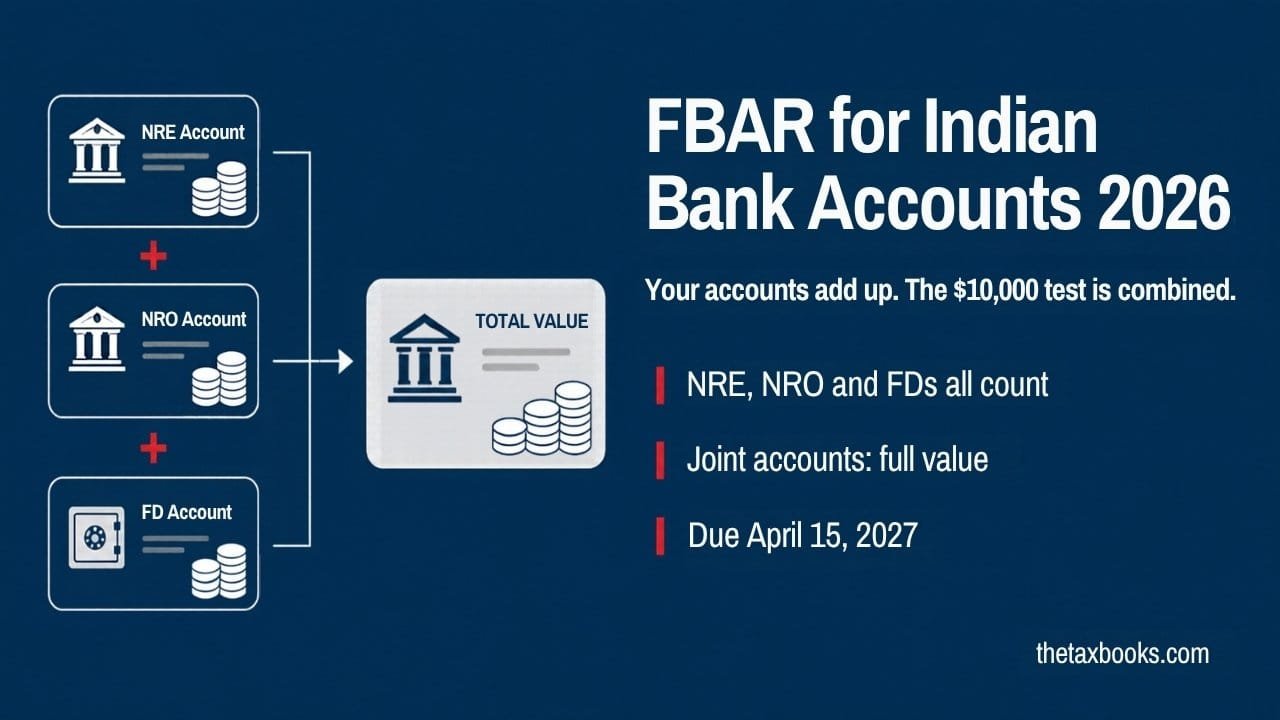
- FBAR (FinCEN Form 114). The election alone does not make your spouse a US person for FBAR. FinCEN decides residency without regard to it. Your spouse has an FBAR duty only if they are a US resident under the regular tests, such as the substantial presence test. Your own Indian accounts, including accounts held jointly with your spouse, count toward your FBAR $10,000 test.
Common mistakes
- Filing jointly without running the numbers. The election can be costly when your spouse has significant Indian income or mutual funds.
- Sending Form W-7 alone. Unless an exception applies, the application must include the tax return.
- Using an expired passport. The passport must be valid on the date you submit.
- Names that do not match. The name and date of birth on Form W-7 must match the passport, and the return should use the same name.
- Signing for your spouse. You can sign for your spouse only with a Form 2848 power of attorney attached.
- Trying to e-file. A first-time ITIN return goes on paper.
Keeping the ITIN active
An ITIN expires on December 31 of the third consecutive year in which it was not included on a US federal return. An ITIN issued before 2013 that was never renewed has also expired. To renew, your spouse files Form W-7 with the tax return and the same type of supporting documents.
Frequently asked questions
Can my spouse get an ITIN if we file separately?
Generally no. A spouse needs an allowable tax benefit, such as being on a joint return, or must file their own return. If your spouse does not have and is not required to have an SSN or ITIN, enter “NRA” (non-resident alien) in the entry space on your married-filing-separately return.
Can I apply for the ITIN now, before my 2026 return is ready?
Generally no. A first-time application goes in with the return it is needed for, unless an exception applies.
How long does an ITIN take?
The IRS says to allow 7 weeks for notice of your application status. Allow 9 to 11 weeks if you apply between January 15 and April 30 or from overseas.
Does an ITIN let my spouse work in the US or change their immigration status?
No. An ITIN is for federal tax purposes only. It does not give work rights, immigration status or Social Security benefits.
Can we go back to filing separately later?
Yes, you can file separately in later years. The election still applies, though, so you both keep reporting worldwide income until it ends or is suspended.
Whether to file jointly depends on your spouse’s income and investments in India. TheTaxBooks prepares federal and state returns for Indian families and helps with the ITIN application. We are not a Certifying Acceptance Agent ourselves, but we work with one for clients. Get in touch.
This article is for general information only and reflects US tax rules as of November 2026. It is not tax, legal or accounting advice, and it does not create a client relationship. Tax rules change and outcomes depend on your specific facts. Speak with a qualified tax professional before acting.